PREFERENCES IN PLAYTHINGS AND OFFERING OPTIONS
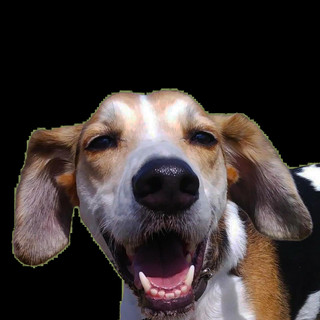
The numerous benefits of toys and play for dogs are well documented, with just some of these benefits including:
*Boosting endorphins and well-being.
*Providing an outlet to express emotions.
*Providing physical exercise.
*Providing mental stimulation.
*Catering to the dog’s natural instincts by encouraging exploration and chasing.
*Reducing boredom.
*Enhancing cognitive skills and development through problem-solving.
*Reducing stress, particularly when activities include sniffing, licking and chewing.
*Toys can improve dental health and provide pain relief to teething puppies.
*Introduce different textures through toys and play.
*Toys can provide comfort and security; some dogs like to carry a toy to feel safe.
*Build confidence and independence.
*Interactive toys and games strengthen the bond between dog and guardian.
*Play is also hugely beneficial in learning, with many trainers using a games-based approach to teaching and coaching. Play enhances memory, helping to consolidate what has been learned; it promotes communication and engagement with your dog, and it creates a positive and enjoyable learning experience.

I think it’s safe to say that it is becoming more widely acknowledged that dogs gain a sense of safety and autonomy through being given opportunities to make choices, helping to foster confidence, self-esteem, and optimism. After all, just look at what can be achieved through training with cooperative care! There are some wonderful examples of large and dangerous animals allowing their caregivers to carry out essential day to day tasks, medical treatments and procedures, all because they have been empowered with control over what happens to them. They learn that they can say, “no, I’m not ready yet”, or, yes, but I just need a break”, rather than simply having to comply. A sense of agency is so important, for all of us.
When it comes to toys and play, some trainers recommend that dogs are limited to one toy at a time to manage excitement and to teach boundaries, with scheduled times that the toy is available. When not in use, it is out of sight, so that access is strictly controlled and limited. Doesn't sound like a lot of fun, does it?
This very rigid approach removes the option of choice and does not take into account the fact that personal preferences and what our dogs value will change, perhaps from week to week, maybe even daily. This is why we have a hierarchy of rewards in training, so that we can take advantage of what our dog finds most reinforcing when teaching them new things. We might notice that our dog’s usual favourite treat falls out of favour if something novel is offered, so we might offer a small selection of treats on a regular basis to test what their current tastes are, observing which they make a beeline for, and which they aren’t so fussed about.
Those with reactive dogs are probably a dab hand at this, because having something super tasty and highly reinforcing which we reserve for counterconditioning to a particular trigger is really key in our success in changing emotional responses. In this instance, we do need to reserve this special treat or super fun toy, whichever is our dog’s preference, in order to meet the 1:1 contingency needed. For example, when a trigger appears, so must the toy or tasty little pieces of (insert top treat here) until the trigger is no longer present, and this must always happen, but the top toy or tasty treat should not be offered in any other context.
You can read more about the 1:1 contingency and mechanics of counterconditioning here: https://www.trailiepawsforthought.com/post/part-one-a-guide-to-counterconditioning-it-s-both-magic-and-science
However, when it comes to toys and playing, variety really is the spice of life! I’ve learned so much from my shy boy, Max, just from watching what he chooses to play with, how he plays with it, whether he prefers to play alone or chooses to engage, and when he likes to play. Some days he loves his pheasant and will throw it around in the garden, squeaking it ridiculously and pouncing on it like a kitten, while other days, he prefers to come and “steal” some cardboard recycling that I keep upstairs for this very purpose. I love that Max is now brave enough to come and “pinch” stuff, and when he wants a nearly empty loo roll, he will stand and nose bop it, staring between me and the toilet roll rather pointedly, giving me the hurry up until I hand it over. He loves to shred these lying in the sun on the upstairs landing, and other times, he enjoys having a good rummage to see what other goodies there are!
Max hasn’t settled on a particular favourite toy. Sometimes he enjoys a bit of gentle tug, which is quite a new thing; sometimes he enjoys playing a bit of fetch, and other times he just wants to run circles around his houndy mates, ball in mouth, delighting in a game of “look what I’ve got, come and get me if you think you’re fast enough” zoomies. Recently, I attempted to lay out a few different toys to see which Max would choose, but before I had finished, he managed to scoop the lot of them up in one go, absolutely crammed into his mouth, and proudly trotted off with them! On the one hand, this was not very helpful in terms of me discovering a favourite, although very entertaining, but it did provide me with information. I know that these toys all hold value for him when given the choice, and the fact that he took the whole lot shows a good deal of his lovely cheekiness which is blossoming, as well as the confidence he has gained from having choices. All of this information would have been missed if I had restricted him to one toy at a time, and his opportunities for choice would be fewer.

Giving them choices in toys doesn’t necessarily mean that they have to be strewn all around the house. A toy box is a lovely idea, where they can pick and choose when and what to play with. If you aren’t sold on this idea because of potential mess, you can teach them to tidy up their toys and drop them into the box! We have quite a good system in our house: Max leaves toys lying around, and Trigger does the clearing up, loving this game more than the toys.
Toys can be offered on a rotation to help maintain interest and to include variety, but do offer them choice, as this is so empowering for them. Please be assured that you do not need to control access and ownership of toys, or always be the one to initiate play, or always be the one to decide when to stop play, or never let them win, or use toys as a means to manipulate your dog, for fear of them viewing themselves as the "pack leader", and so on. This is all outdated, complete nonsense. Toys are not a privilege that have to be earned; they are essential for your dog's physical and mental health. Indeed, restricting access to resources in this way can increase the likelihood of behaviour issues developing, such as resource guarding. Instead, engage with and have fun with your dog, observe their play style and preferences, and learn what stimulates them and fulfils their many different needs.
*Do please ensure that toys are fit for purpose and safe for your dogs.
*Always seek professional help if you suspect any resource guarding issues arising.
*Extra care should be taken in multi-dog households.
If you have found this useful, why not subscribe to receive my future blog posts? Don’t forget to check your junk mail folder, just in case! You can also find my blogs, along with other science-based, dog-centred posts and articles over on my Facebook page: Facebook


Comments